


Armchair Travels: Spain & Portugal - Welcome!
¡Bienvenidos! Bem-vindos!
Welcome to our second Armchair Travels adventure! In this series of articles, we're crossing the Atlantic and heading south to the Iberian Peninsula, where two countries share a coastline, a sun, and one of the most consequential wool histories on earth. Spain and Portugal don't always come up first when knitters talk about heritage yarns. By the end of this series, we hope they will.
We're so glad to have you here!

Why Spain & Portugal?
Let's start with Merino, the fine, soft, climate-regulating fiber that clothes much of the world over. For centuries it had a single homeland: the Iberian Peninsula. Spanish Merino was so prized in the medieval and early modern era that the Crown forbade its export. Smuggling a single sheep out of the country could cost you your life.
That alone would earn Iberia a chapter in any wool history. But Spain and Portugal have far more going on than one famous breed:
Sixteen native Portuguese breeds. Most of them rare, some critically endangered, each tied to a particular region, a particular shepherd's family, a particular way of living with the land.
A network of ancient drovers' roads. Stretching across Spain, ninety varas wide by royal decree, walked twice a year for centuries by migrating flocks and the shepherds who moved with them.
A small, fierce community of modern producers. People rebuilding an Iberian wool industry that nearly disappeared, working fleece by fleece with native breeds, local mills, and the shepherds in the village down the road.
This is a peninsula that gave the world its most important fine fiber, nearly lost its own wool culture, and is now finding it again. We think that's worth four more stops.
What You'll Discover

By the end of this series, you'll understand:
- Why a sheep raised in medieval Castile shaped what's in your project bag today
- How climate and migration created two distinct Iberian wool cultures
Which native breeds give WoolDreamers and Retrosaria their unmistakable character
- How a peninsula nearly lost its wool industry and is rebuilding it, breed by breed
- Where Portuguese knitting fits in the global story (and how to spot a Portuguese knitter at your next knit night)
This journey will be your foundation for casting on with Iberian yarn and actually understanding what's in your hands.
Your Armchair Travels Itinerary:

First Stop (Today): Welcome to Iberia. Why this peninsula matters, where we're headed, and what to expect along the way.
Second Stop: The Landscape & Wool Heritage. Climate, the great drovers' roads of the Mesta guild, and how Spain and Portugal grew side by side into two related but distinct wool cultures.
Third Stop: Meet the Sheep! Merino, Manchega, Campaniça, Saloia, Xalda, and the rare breeds being pulled back from the edge.
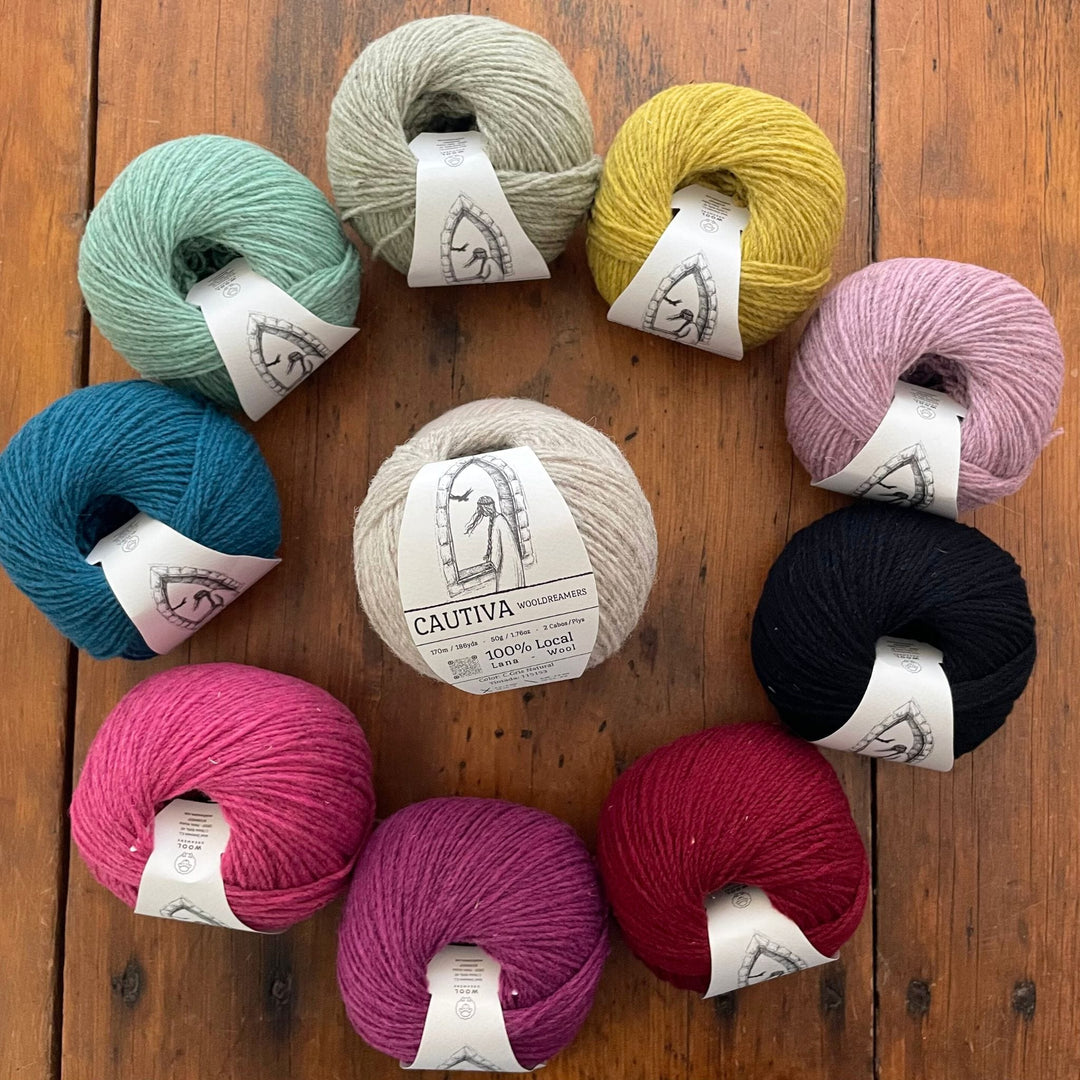
Fourth Stop: The Yarns & The Producers. Wooldreamers in Castilla-La Mancha and Retrosaria Rosa Pomar in Lisbon. Two philosophies, one peninsula.
Fifth Stop: Designs, Techniques & Traditions. Portuguese knitting, shepherd's vests, and the modern designers letting Iberian wool be itself.
Bring the Journey to Your Hands
This series is about more than reading wool history. It is about understanding the yarn in your hands and the traditions that shaped it.
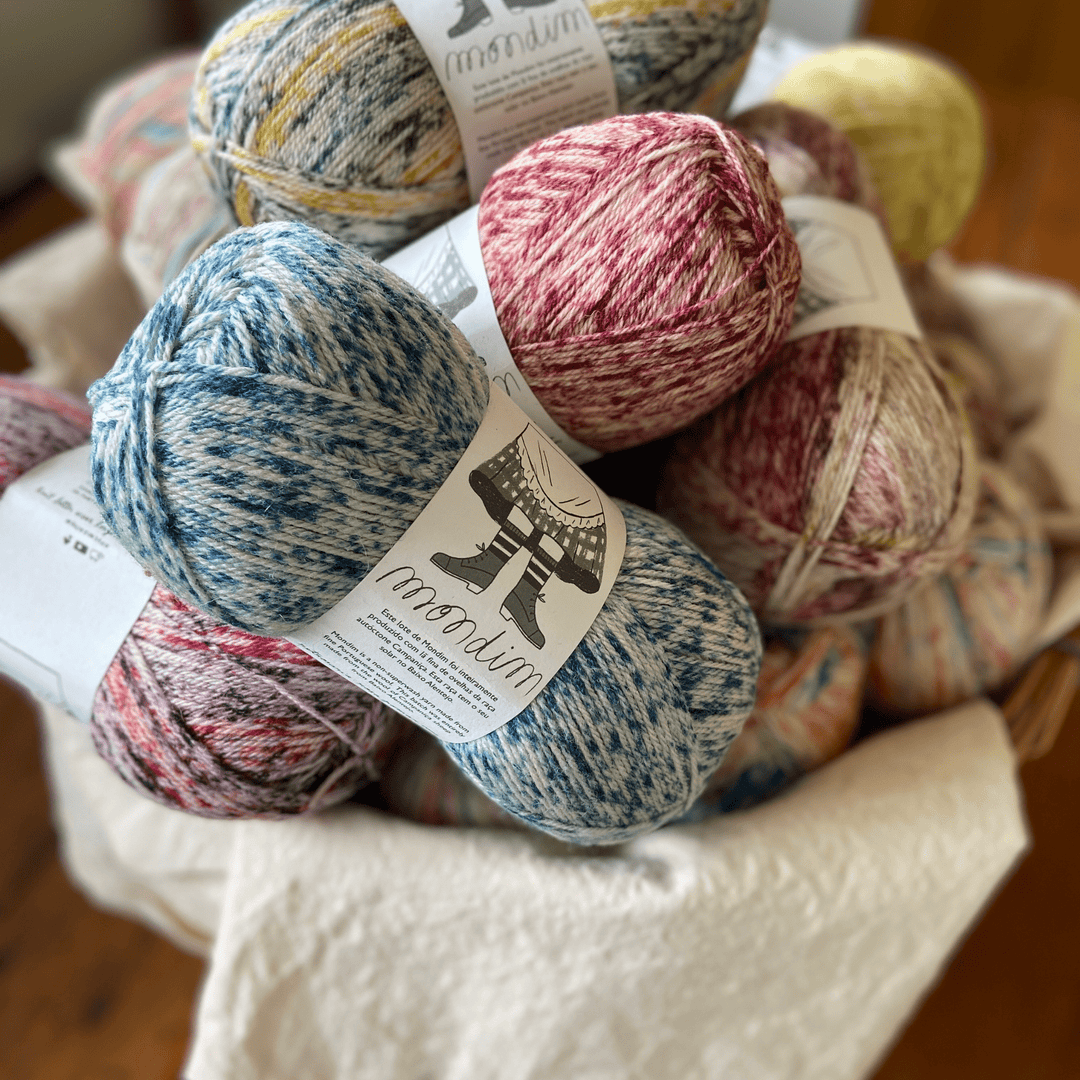
As we travel through Spain and Portugal, we’ll meet the sheep, landscapes, producers, and techniques behind Iberian wool, including Portuguese knitting and the pins used to help tension the yarn. Browse our Spanish and Portuguese yarns, gather what calls to you, and let your project bag become part of the journey.

Browse Iberian Yarns (opens in new tab)
Next stop: the landscape that made it all possible. We'll see you in a few days!
7 comments
Back to The Woolly Thistle





I was fortunate to visit Rosa Pomar’s yarn shop in Lisbon, Portugal called Retrosaria. She wrote a book called Portuguese Knitting that is wonderful, filled with history, techniques, and patterns.
I recently returned from a fiber and wool tour of Portugal, and I was so impressed by the long and rich history of Portuguese wool. The woolen fabrics and yarns are top quality and so easy to knit with. This is a wonderful series. Thank you.
This is a great idea! It will be so interesting!
This is lovely. I’m so sorry that I missed the first one. Thank you for this opportunity.
Going to Portugal in October and can’t wait to find out where to stop and see all this beautiful yarn. Thank you.
Leave a comment